
Beaches in Malaga
Beaches in Málaga
This page is part of our Málaga area guide, which covers beaches, residential areas, and lifestyle in the city.
Málaga’s beaches are an integral part of daily life rather than separate resort zones. Stretching along more than 15 kilometres of coastline, the beaches are directly connected to residential neighbourhoods, promenades, cycling paths, and public transport. For many residents, the beach is part of everyday routines throughout the year.
Official information about Málaga’s beaches is provided by public authorities and tourism organisations:
Ayuntamiento de Málaga – Beaches: https://www.malaga.eu
Turismo Costa del Sol: https://www.visitacostadelsol.com
La Malagueta
La Malagueta is Málaga’s most central and well-known beach, located just east of the historic centre and next to Muelle Uno marina. It is fully serviced with sunbeds, showers, lifeguards, and a wide selection of chiringuitos and restaurants. Due to its location, La Malagueta is used year-round by residents as well as visitors.
La Caleta
La Caleta is smaller and quieter than La Malagueta and is surrounded by established residential areas. It is popular with local families and residents who prefer a calmer atmosphere while remaining close to the city centre.
Pedregalejo
Pedregalejo is a former fishing district divided into several smaller beaches separated by breakwaters. The area is especially known for traditional seafood restaurants and maintains a strong local identity. It is a common meeting place for residents in the evenings.
El Palo
El Palo lies further east and offers a more authentic and less tourist-oriented beach experience. Closely linked to Málaga’s fishing heritage, it has wide sandy areas and a relaxed, everyday feel.
What defines Málaga’s beaches
Urban beaches integrated into city life
Used by residents throughout the year
Easy access by foot, bike, and public transport
Strong connection between beaches and surrounding neighbourhoods
Many of these beaches are closely connected to nearby residential districts, which are covered in more detail in our Areas & neighbourhoods in Málaga area guide.
FAQ – Beaches in Málaga
Are Málaga’s beaches suitable for year-round use?
Yes. Málaga’s beaches are used by residents throughout the year, not only during the summer season. Thanks to the mild Mediterranean climate and the city’s urban layout, beaches are part of everyday life, including walking, exercising, and socialising outside peak tourist periods.
Are the beaches in Málaga natural or urban?
Málaga’s beaches are primarily urban beaches. They are directly integrated into the city, with promenades, nearby residential areas, restaurants, and public services. While they are well maintained and sandy, they are not isolated natural beaches in remote areas.
Which beach is closest to Málaga city centre?
La Malagueta is the closest beach to Málaga’s historic centre. It is located just east of the old town and within walking distance of major city attractions, making it the most central and accessible beach.
Which beaches in Málaga are quieter and more residential?
La Caleta, Pedregalejo, and El Palo are generally quieter than La Malagueta. These beaches are surrounded by established residential neighbourhoods and are often preferred by local residents seeking a calmer atmosphere.
Are Málaga’s beaches family-friendly?
Yes. Many beaches in Málaga, particularly La Caleta and El Palo, are popular with families. They offer calm waters, nearby services, and easy access from residential areas.
How do residents usually access the beaches in Málaga?
Most residents access Málaga’s beaches on foot, by bicycle, or using public transport. The city’s coastline is connected by promenades, cycling paths, and bus routes, reducing the need for a car.
Are there restaurants and services directly on the beaches?
Yes. Málaga’s beaches are well serviced, especially La Malagueta, Pedregalejo, and El Palo. Chiringuitos (traditional beach restaurants), cafés, sunbed rentals, showers, and lifeguard services are common along the coast.
What makes Pedregalejo and El Palo different from central beaches?
Pedregalejo and El Palo have a stronger local identity and fishing heritage. Their beaches are divided into smaller sections and are well known for traditional seafood restaurants. These areas are less tourist-oriented and more connected to everyday local life.
Are Málaga’s beaches connected to residential neighbourhoods?
Yes. Málaga’s beaches are closely linked to surrounding residential districts, particularly in the eastern parts of the city. Many residents live within walking distance of the coast, which is why beaches play such an active role in daily routines.
You can learn more about nearby residential areas in our Areas & neighbourhoods in Málaga guide:
/area-guides/malaga/areas
Where can I find official information about Málaga’s beaches?
Official and up-to-date information is provided by public authorities and tourism organisations, including:
Ayuntamiento de Málaga: https://www.malaga.eu
Turismo Costa del Sol: https://www.visitacostadelsol.com
Latest posts
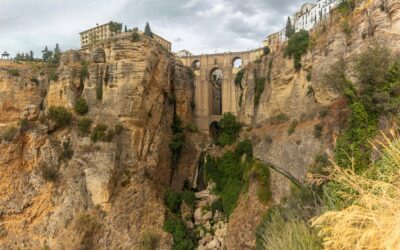
15 Best Things to Do in Costa del Sol – Your Complete Local Guide
Costa del Sol is one of Spain’s most beloved coastal regions - famous for its sunshine, turquoise water, charming old towns and unique mix of culture, nature and nightlife. Whether you’re planning a relaxing holiday, a family trip or an adventurous getaway, there is...
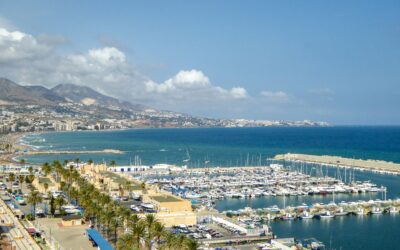
Best Times to Visit Málaga and the Costa del Sol: A Year-Round Paradise
The Costa del Sol, with its golden beaches, historic towns, and Mediterranean lifestyle, is one of Spain’s most visited regions. Whether you're planning a short holiday or considering a move, knowing the best time to visit Málaga and the surrounding coast can help you...
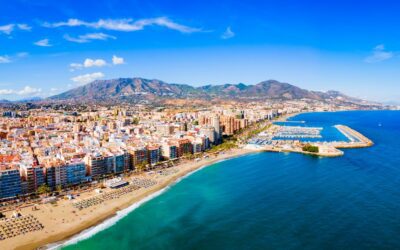
Top 10 Day Trips From Fuengirola
Fuengirola, nestled on Spain’s sun-drenched Costa del Sol, is more than just golden beaches and a lively promenade—it’s the perfect launchpad for incredible adventures. 🗺️ Within just a short drive or train ride, you can explore historic cities, whitewashed villages,...